
Exfoliation used to be simple. These days there are endless options: acids, peels, scrubs, enzymes, retinoids, skin cycling routines, and social media “reset” trends.
This has, unfortunately, led to a growing number of people with over-exfoliated skin who don’t realize that exfoliation is the problem.
Barrier damage is now one of the most common issues I see across all ages, skin types, and skin concerns. So let’s talk about how to tell if your skin is over-exfoliated and how to fix it!
What Over-Exfoliated Skin Really Means
Over-exfoliated skin isn’t about using one wrong product. It’s about too much stimulation without enough recovery.
Exfoliation removes dead skin cells. That’s not inherently bad. But when exfoliation outpaces the skin’s ability to repair itself, the barrier breaks down.
This leads to:
- Increased inflammation
- Water loss
- Sensitivity
- Breakouts
- Delayed healing
At that point, more exfoliation doesn’t fix the issue. It worsens it.
Common Signs Your Skin Is Over-Exfoliated
Over-exfoliated skin doesn’t always look “raw.” Many signs are subtle.
Physical Signs
- Tightness or stinging after cleansing
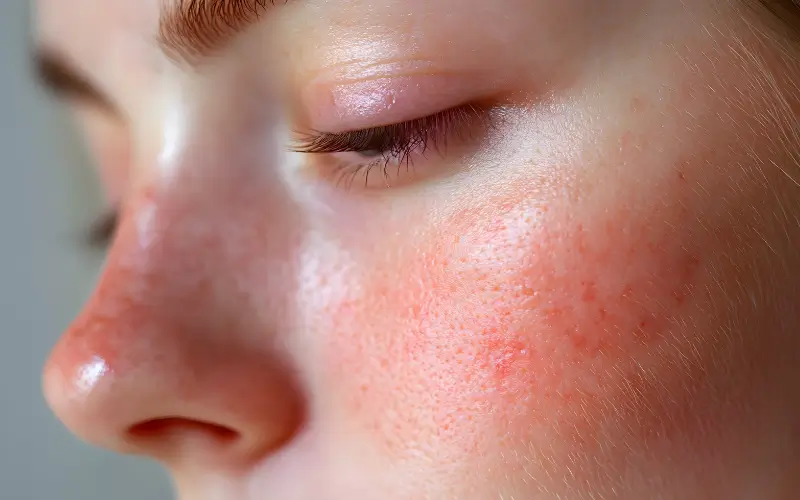
- Redness or blotchiness
- A shiny, stretched appearance
- Flaking combined with oiliness
- Burning when applying products
Functional Signs
- Sudden acne or congestion
- Products that used to work now sting
- Skin reacts to everything
- Makeup no longer sits well
- Breakouts heal slowly
If your skin feels unpredictable, fragile, or constantly irritated, barrier damage is likely involved.
Why Over-Exfoliation Is So Common Now
Modern skincare culture rewards doing more.
Layering acids, rotating actives, and “cycling” routines often ignore the fact that skin is a living organ — not a surface to be scrubbed into submission.
Over-exfoliation is especially common in:
- Acne-prone skin
- Perimenopausal and menopausal skin
- Skin recovering from Accutane
- Sensitive or rosacea-prone skin
As we age, skin cell turnover slows and barrier repair takes longer. What worked at 25 can cause damage at 45 or 60.
The Skin Barrier’s Role in Recovery
Your skin barrier controls hydration, inflammation, and healing. When it’s intact, the skin can tolerate exfoliation. When it’s compromised, even gentle products can feel harsh.
A damaged barrier leads to:
- Increased transepidermal water loss
- Heightened inflammation
- Increased sensitivity to bacteria and irritants
Barrier repair is not passive. It requires intentional care.
How to Repair Over-Exfoliated Skin
Healing over-exfoliated skin starts with restraint.
Step 1: Stop All Exfoliation
This includes:
- Acids (AHAs, BHAs, PHAs)
- Scrubs and brushes
- Retinoids
- “Brightening” treatments
Skin cannot heal while it’s being stimulated.
Step 2: Rebuild Hydration and Lipids
Focus on:
- Gentle, non-foaming cleansers
- Hydrating serums or oil that attract water
- Moisturizers that restore lipids and reduce water loss
Hydration alone is not enough — the barrier needs structure.
Step 3: Reduce Inflammation
Inflamed skin heals slowly. Calming the nervous system of the skin is just as important as topical care.
This includes:
- Simplifying routines
- Avoiding frequent product changes
- Supporting the skin consistently
Professional Support for Barrier-Damaged Skin
Over-exfoliated skin often benefits from professional guidance. In-office treatments can help restore balance without triggering further inflammation.
Barrier-supportive services may include:
- Customized calming facials
- LED therapy to reduce inflammation
- Non-invasive infusion treatments that support absorption without trauma
Why More Is Not Better in Skincare
Healthy skin is resilient. Fragile skin is not.
When exfoliation is used strategically and sparingly it can support clarity and texture. When it’s overused, it creates the very issues people are trying to fix.
Skin heals best when it feels safe.
Your Next Steps
If your skin suddenly feels sensitive, reactive, or “off,” it may not need another active it may need a pause. Sometimes the most effective skincare move is doing less.
Your first step is to repair your skin barrier. Check out my educational article on barrier repair here and invest in a high-quality barrier repair skincare, like Skin Maven Rapid Repair.
Once a healthy skin barrier is restored, you need to lock down a simple, effective skincare routine that addresses your unique skin concerns. If you’re tired of guessing and want expert advise, I offer convenient, affordable online skin consults where I analyze your current skin condition, listen to your goals, and recommend the best products to help you get there. Contact me now to set up your consultation! I have 20+ years of experience as an esthetician and I can help.