

Are you considering Retinol vs Tretinoin vs Retinoids? These skincare heavy hitters are among the most studied and effective ingredients in skincare. They’re used to treat acne, refine texture, fade discoloration, and soften visible lines caused by sun exposure, stress, hormonal changes, and natural aging.
Yet despite decades of clinical use, countless clients still come to me totally mystified by the differences between Retinol vs Tretinoin vs Retinoids because they are one of the most confusing categories in skincare. Similar names, conflicting advice, and overly aggressive use often lead to irritation—or people giving up entirely.
This guide explains what retinoids are, how retinol and tretinoin differ, how to choose between the many options available, and how to use vitamin A safely for long-term skin health.
What Are Retinoids?
Retinoids are compounds derived from vitamin A. In skincare, they influence how skin cells renew, mature, and communicate. This is why they’re effective for multiple concerns at once, including:
- Acne and clogged pores
- Uneven skin tone and post-inflammatory marks
- Sun damage and texture changes
- Fine lines and visible aging
All retinoids are related, but they vary significantly in strength, speed, and skin tolerance.
Retinol vs. Tretinoin: The Core Difference
The most important difference between retinol and tretinoin is biological activity.
Retinol (Over-the-Counter)
Retinol is not active when applied. Your skin must convert it—step by step—into retinoic acid before it can work. This conversion makes retinol:
- Slower to show results
- Generally easier to tolerate
- Ideal for beginners, sensitive skin, menopausal skin, and long-term maintenance
Tretinoin (Prescription)
Tretinoin is retinoic acid. It acts directly on skin cells, which makes it:
- Faster and more potent
- Highly effective for persistent acne and advanced photodamage
- More likely to cause dryness, peeling, and irritation if introduced too quickly
Retin-A is simply a brand name for tretinoin. The name matters far less than the formulation and how it’s used.
OTC vs. Prescription: What That Means for Your Skin
- Retinol is regulated as a cosmetic ingredient and widely available.
- Tretinoin is prescription-only due to its potency and potential side effects.
Prescription does not mean “better for everyone.” Many people achieve excellent, long-term results with well-formulated retinol—without the barrier disruption that often leads to frustration.
What Skin Concerns Do Retinoids Treat?
Both retinol and tretinoin are commonly used for:
- Acne and congestion
- Hyperpigmentation and melasma
- Fine lines and uneven texture
- Sun-related visible aging
Tretinoin is sometimes prescribed for more severe or treatment-resistant cases. Retinol is often preferred for prevention, maintenance, and skin types prone to sensitivity.
Shared Benefits (Different Timelines)
Because they’re in the same family, both retinol and tretinoin can:
- Improve pore clarity
- Support collagen production
- Smooth texture
- Promote more even tone
The difference is speed versus tolerance. Tretinoin works faster but is less forgiving. Retinol works more gradually but is easier to use consistently. Consistency—not intensity—is what produces lasting change.
Side Effects & Important Considerations
Retinoids can cause:
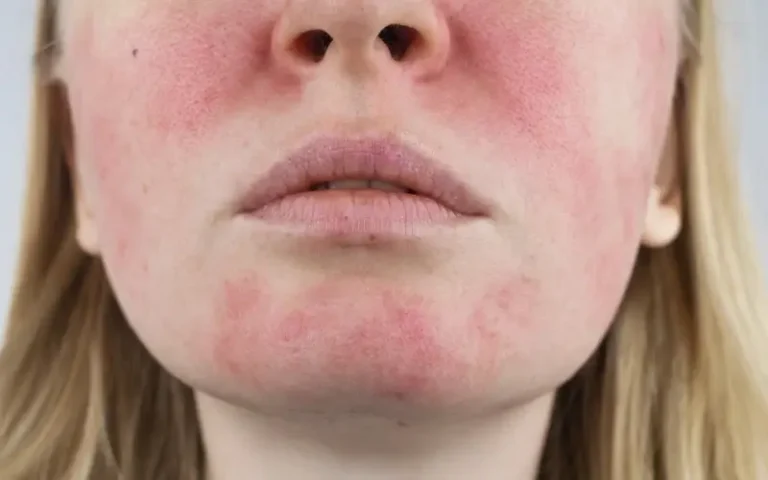
- Dryness, flaking, redness
- Temporary breakouts during adjustment
- Increased sun sensitivity
Additional considerations:
- Skin of color: irritation can trigger post-inflammatory hyperpigmentation
- Menopausal skin: barrier function is often reduced, increasing sensitivity
- Pregnancy & breastfeeding: retinoids are generally avoided
Most problems arise from starting too fast, using too much, or stacking retinoids with other aggressive actives.
How to Use Tretinoin (Retin-A) Safely
Tretinoin should always be introduced gradually.
- Start 2–3 nights per week
- Use a pea-sized amount for the entire face
- Apply under moisturizer, or mix directly into your moisturizer to buffer
This buffered approach slows penetration, decreases irritation, and does not reduce long-term effectiveness. Frequency can be increased slowly as tolerance improves.
Not All Retinols Are the Same: Understanding Your Options
With so many retinol products on the market, knowing the type and delivery system matters more than the label.
- Retinyl esters – gentlest, slowest results
- Retinol – most common OTC option
- Encapsulated / time-released retinol – gentler, more consistent delivery
- Retinal (retinaldehyde) – faster than retinol, gentler than tretinoin
- Tretinoin – prescription retinoic acid; fastest, highest irritation risk
The most effective retinoid is the one your skin can tolerate consistently.
Why Retinol Formulation Matters More Than Strength
A well-designed retinol formulation should do more than exfoliate—it should support the skin while renewal is happening.
The retinol used in my practice focuses on:
- Time-released vitamin A
- Structural support through peptides
- Gentle resurfacing without acids
- Soothing botanicals to counter irritation
My retinol formulation is lightweight, fragrance-free, dermatologist-approved, and gentle enough for eye and lip lines—areas most retinols can’t touch.
Common Pitfalls of Retinol Use (Quick Reminders)
- Don’t apply in the morning unless specifically formulated for daytime
- Don’t mix strong actives from different brands without guidance
- Don’t use during pregnancy or breastfeeding
- Don’t use alongside in-office treatments that increase sensitivity
- Don’t use too much—a pea-size is enough
- Don’t quit too soon—slow and steady wins with retinol
The Bottom Line
Retinol and tretinoin are powerful tools—but the best choice is the one your skin can tolerate long-term.
Retinol isn’t a weaker option. It’s often the smarter, more sustainable strategy, especially when barrier health, hormonal changes, and longevity matter.
When vitamin A is paired with thoughtful formulation and proper guidance, it becomes one of the most effective allies in healthy, resilient skin.
Ready to Start Retinol Without Guesswork?
If you’re ready to take the guesswork out of a retinol routine, I highly suggest you explore a barrier-supportive retinol like the one I formulated! Or, book an online skin consultation with me for personalized guidance and recommendations. I have 20+ years of experience as an esthetician and I specialize in pro-aging skincare for women in perimenopause and menopause. Contact me to get on the schedule!