
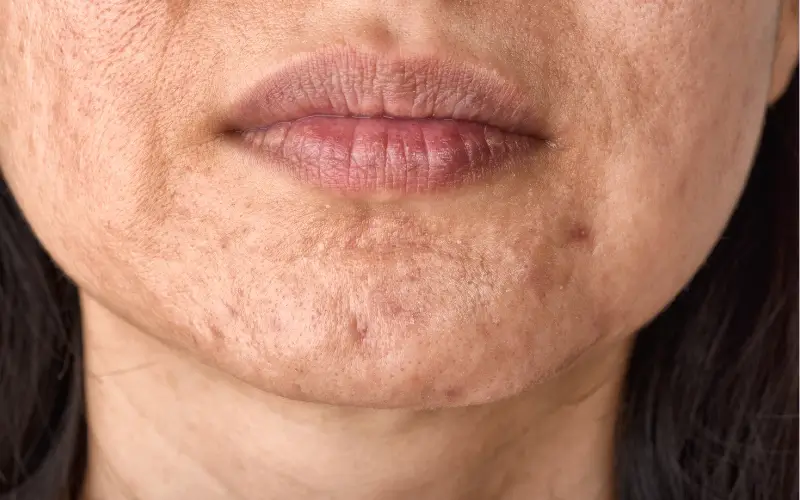
One of the most common frustrations after acne clears is what’s left behind.
Red marks. Brown marks. Patches that seem to linger forever.
Many people assume these are scars — but most of the time, they’re not. They’re post-inflammatory changes, and how you treat them depends on which type you’re dealing with.
Understanding the difference between post-acne marks and hyperpigmentation can save you months of trial-and-error — and prevent treatments that make things worse.
Post-Acne Marks: What They Are
Post-acne marks are typically red, pink, or purplish and are caused by changes in blood vessels after inflammation.
This is called post-inflammatory hyperpigmentation (PIH).
Common features:
- Red or pink marks where acne used to be
- More noticeable on lighter skin tones
- Often flat, not indented
- Fade slowly over time
These marks are not pigment trapped in the skin. They’re vascular — meaning they’re related to blood flow and inflammation.
What makes them linger:
- Repeated breakouts in the same area
- Picking or squeezing acne
- Aggressive exfoliation
- Heat and flushing
The more inflammation the skin experiences, the longer these marks tend to hang around.
Hyperpigmentation After Acne: What’s Different
Hyperpigmentation refers to brown, tan, or grayish marks left after inflammation.
This is called post-inflammatory hyperpigmentation (PIH).
Common features:
- Brown or dark spots where acne healed
- More common in medium to deep skin tones
- Can appear weeks after the breakout heals
- Darkens with sun or heat exposure
Here, pigment-producing cells (melanocytes) are overstimulated during inflammation and deposit excess pigment in the skin.
Why They’re Often Confused
Post-acne redness and hyperpigmentation can exist at the same time, especially in adult or hormonal acne.
A single breakout may leave:
- Redness at the surface
- Brown pigment underneath
This is why one product or treatment rarely fixes everything.
Why Over-Treating Makes Marks Worse
One of the biggest mistakes people make is trying to “scrub away” post-acne marks.
Over-exfoliating:
- Prolongs redness
- Triggers more pigment
- Weakens the skin barrier
- Slows healing
If your skin feels tight, shiny, stinging, or constantly reactive, it’s often a sign that treatment intensity is working against you. (See Over-Exfoliated Skin for more on this.)
How Skin Type and Hormones Matter
Adult acne, menopause acne, and stress-related breakouts often heal more slowly.
Why?
- Slower cell turnover
- Increased inflammation
- More reactive pigment response
- Reduced barrier resilience
This is why post-acne marks tend to linger longer in midlife skin and require a more supportive approach.
Skincare Support That Actually Helps
The goal is calm first, correct second.
Barrier & Inflammation Support
- Gentle cleansing
- Hydration before actives
- Antioxidants for healing and repair of skin
- Niacinamide serums
When inflammation is controlled, marks fade faster.
Brightening (When Appropriate)
- Targeted brighteners used cautiously
- Avoid layering too many actives
- Patience beats aggression
Brightening works best when the skin is stable — not inflamed.
Professional Treatments for Post-Acne Marks
In-office treatments can help, but timing matters.
Helpful options may include:
- Gentle resurfacing treatments
- Targeted pigment-safe protocols
- Circulation-supporting facials
An Important Note About Lasers
Lasers and light-based treatments can help certain post-acne marks, but they are not first-line for everyone.
Lasers may be helpful when:
- Active acne is controlled
- The skin barrier is healthy
- Inflammation is minimal
Lasers can worsen marks when:
- The skin is still breaking out
- Pigment is unstable
- Heat sensitivity is present
- Barrier damage hasn’t been addressed
Especially for pigment-prone or midlife skin, preparation matters more than power.
What About True Acne Scars?
True scars involve changes in skin structure, not just color.
If marks are:
- Indented
- Raised
- Texturally uneven
Those require different medical treatments or topicals and should be evaluated separately.
Most people with lingering marks are dealing with color, not scars — and that’s good news.
Healing Takes Time — But It Is Possible
Post-acne marks fade slowly, but they do fade when the skin is supported correctly.
The most successful plans focus on:
- Reducing inflammation
- Protecting the barrier
- Using the right treatment at the right time
- Avoiding panic-driven overcorrection
If you’re unsure what type of marks you have or how to treat them safely, a professional skin consultation or virtual coaching session can help you build a plan that actually works — without setting your skin back. Contact me today to schedule a skin consult. I have 20+ years of experience as an esthetician specializing in acne-prone skin and hyperpigmentation, and I’d love to help you discover your best skin ever!