
Exosomes are one of the fastest-growing topics in both advanced skincare and hair restoration — and also one of the most misunderstood.
They’re often marketed as a miracle. In reality, exosomes are best understood as a support tool. When used at the right time and delivered appropriately, they help skin and scalp tissue recover, communicate, and function more efficiently.
That’s where their real value lies.
What Do Exosomes Actually Do for Skin and Hair?
Exosomes support cell-to-cell communication. As skin and scalp tissue age, experience inflammation, or undergo corrective treatments, that communication can slow down.
Exosomes help reinforce these signals, allowing tissue to respond more effectively.
Clients most often notice benefits such as:
- Brighter, more even-looking skin tone
- Calmer skin and scalp with less visible inflammation
- Smoother skin texture and refined pores
- Faster recovery after facials or advanced treatments
- Healthier-looking scalp environment that supports hair vitality
This isn’t about forcing change — it’s about supporting how the tissue behaves.
When Will I See Results?
Results depend on the area treated and your goals.
For skin:
- Many clients notice a fresh, brighter appearance immediately after treatment
- More visible improvements in tone, texture, and firmness typically develop over 2–8 weeks
- Best results are often seen after a series of three treatments
For hair and scalp:
- Improvements tend to be gradual, as hair follows its natural growth cycle
- Early changes may include a healthier scalp environment and reduced shedding
- Visible hair improvements take time and consistency
Exosomes support long-term tissue health — not overnight transformation.
How Often Should Exosomes Be Used?
Exosomes are not meant to be used constantly. They are most effective when used strategically.
In practice, they are commonly used:
- As a targeted upgrade for skin recovery or tone correction
- After corrective or exfoliating treatments
- As a short series (often three sessions) for cumulative skin improvement
- Periodically for scalp and hair support, depending on individual needs
Frequency is always determined by skin or scalp condition — not trends.
When I Use Exosomes in Treatment
Exosomes make the most sense when skin or scalp tissue is receptive and benefits from support rather than stimulation.
I most often use them:
- After peels to calm skin and support brightening
- After microdermabrasion and extractions to reduce redness and help prevent post-inflammatory marks
- With Rezenerate nano-infusion for surface-level tone and texture support
- With Juvasonic delivery when deeper topical support is appropriate
- Post-laser (when appropriate) as part of a guided recovery plan
The same philosophy applies to scalp care: timing, delivery, and tissue readiness matter.
Why Delivery Method Matters
Skin and scalp are designed to protect us. Advanced ingredients require thoughtful delivery to be effective.
Exosomes With Juvasonic
Juvasonic is my primary delivery method because it supports deeper topical delivery without needles or tissue injury. This is especially beneficial for:
- Post-menopausal skin
- Thinner or more reactive skin
- Clients who do not tolerate aggressive treatments
- Scalp tissue that benefits from stimulation without trauma
It allows exosomes to perform more effectively while respecting the barrier.
Exosomes With Rezenerate
Rezenerate supports upper-layer nano-channel delivery, making it ideal for:
- Brightness and hydration
- Surface texture refinement
- Supportive skin care with minimal irritation
Different tools serve different purposes — results come from choosing the right one.
What Age Should You Start Using Exosomes?
There is no “perfect” age. Exosomes are chosen based on tissue condition and goals.
- Early 30s and up: often used preventatively for skin and scalp exposed to stress, pollution, or early inflammation
- 40+ and post-menopause: often used more supportively to address slower recovery, uneven tone, barrier changes, and scalp health shifts
The goal is healthier function — not chasing anti-aging promises.
Are Exosomes Safe for Mature or Sensitive Skin and Scalp?
Topical exosomes are generally considered well tolerated when sourced responsibly and applied appropriately.
In my practice:
- Only reputable, clinically tested sources are used
- Exosomes are applied when the barrier is ready, not compromised
- Use is reassessed if discomfort occurs
- Clients with medical conditions or medications are encouraged to consult their physician
Professional judgment matters — especially with scalp treatments.
Exosomes vs Growth Factors
Growth factors are proteins that stimulate specific cellular responses.
Exosomes act as advanced messengers, often carrying growth factors and other signaling molecules together. This is one reason they are being explored for both skin recovery and hair health, where communication between cells is critical.
For Those Who Want the Science
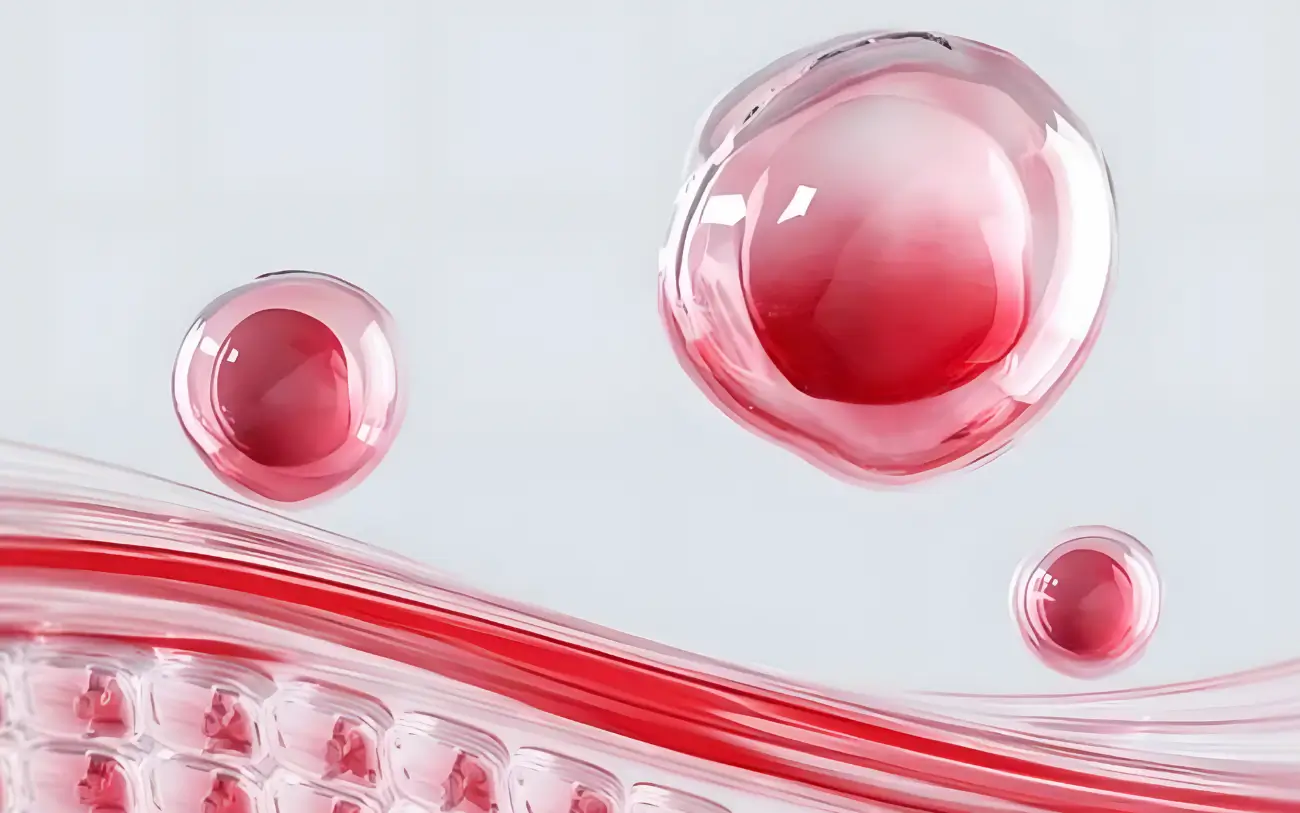
Exosomes are nanosized extracellular vesicles, typically 30–150 nanometers, released by cells. They carry signaling cargo such as proteins, lipids, and RNA that help cells communicate.
They are not living cells and do not replicate or form new tissue. Their role is communication, not regeneration.
Because of their delicate structure, exosomes should not be microneedled into the skin or scalp. In my practice, they are applied topically using professional delivery methods such as Juvasonic and Rezenerate.
Exosomes and Hair: Why This Area Is Growing So Quickly
Hair and scalp health depend heavily on communication, circulation, and inflammation control. As interest in non-invasive hair support grows, exosomes are being explored as a way to help support a healthier scalp environment and more optimal hair growth conditions.
As with skin, hair results depend on delivery method, consistency, and realistic expectations. I’ll be sharing more education on exosomes and hair-support protocols as this area continues to evolve.
Key Takeaways
- Exosomes support communication, recovery, and tissue resilience
- Skin improvements often appear within 2–8 weeks
- Immediate brightening and barrier repair
- Hair and scalp improvements are gradual and require consistency (estimated 6–8 treatments)
- Delivery method and timing matter
- Exosomes work best as part of a thoughtful, professional treatment plan
The Skin Maven Bottom Line
Exosomes aren’t magic. They’re a smart, supportive tool for both skin and hair health when used intentionally. I use them regularly, and I love the results
If you’re curious whether exosomes make sense for your skin or scalp — or want to learn more about upcoming hair-focused options — reach out. I offer many professional firming treatments locally in Los Gatos and can also recommend a pro-aging skincare routine and products through a convenient online skin consult. A consultation helps determine timing, readiness, and the best approach for your goals.