

Menopause is often reduced to hot flashes and missed periods. In reality, it is a major biological transition that affects the brain, mood, sleep, metabolism, intimacy, skin, and long-term health.
This article is the big-picture overview — designed for women and the people who love them. If you are looking for a clear explanation of what menopause actually is, why it affects so many areas of life, and how to offer meaningful support, start here.
For deeper guidance on specific stages, skin changes, or hormone therapy, you will find links throughout this article to explore further.
Why Menopause Affects More Than One Person
Menopause is not just a women’s health issue. It is a family issue, relationship issue, and community issue.
It changes how a woman feels in her body and how she shows up in daily life. Energy, patience, sleep, mood, intimacy, and confidence can all shift, often at the same time.
Many women are not prepared for this transition. Most men know almost nothing about it. That is not a failure of effort or character. It is a gap in education.
The purpose of this article is to help close that gap.
What Menopause Actually Is (In Plain Language)
Menopause itself is one day on a calendar — the point when a woman has gone twelve consecutive months without a period.
What causes the most disruption, however, is the transition leading up to that day, known as perimenopause. The years after are referred to as postmenopause.
Three hormones drive most of the changes:
Estrogen
Estrogen receptors exist throughout the body — in the brain, bones, muscles, blood vessels, bladder, and skin. Estrogen supports memory, mood, circulation, cholesterol balance, blood sugar regulation, and tissue strength.
When estrogen fluctuates wildly and then declines, every system must recalibrate.
Progesterone
Progesterone supports sleep and nervous system calm. As ovulation becomes irregular during perimenopause, progesterone levels drop. Many women describe feeling wired but exhausted — deeply tired yet unable to rest.
Testosterone
Women produce testosterone in the ovaries and adrenal glands. It supports muscle mass, bone density, libido, and steady energy. While testosterone declines gradually with age, it does so alongside sharper drops in estrogen and progesterone, compounding the impact.
Perimenopause: The Zone of Chaos
Perimenopause is often the most confusing phase.
Periods may still be regular, but may also be suddenly unpredictable. Hormone levels spike and crash instead of following a steady rhythm.
Common changes include:
- Sleep disruption
- Anxiety, irritability, or low mood
- New fatigue that does not match lifestyle
- Hot flashes or night sweats
- Brain fog or difficulty concentrating
- Weight gain around the midsection
- Dryer, more reactive skin
This is not a woman “being dramatic.” It is her brain, metabolism, and nervous system operating without the hormonal support they had for decades.
Clinicians such as Dr. Mary Claire Haver, author of The New Menopause, have helped bring evidence-based clarity to this phase so families can understand what is happening rather than feeling blindsided.
Menopause and Postmenopause: Why This Stage Matters for Health
Once periods stop for a full year, a woman is considered menopausal. She remains postmenopausal for the rest of her life.
Some symptoms may ease over time, but the hormonal shift remains and it has long-term implications.
Estrogen loss influences:
- Bone density
- Heart and blood vessel health
- Metabolic flexibility and weight
- Muscle preservation
- Skin thickness, hydration, and elasticity
- Vaginal and urinary tissue resilience
This is not a reason for fear. But it IS a reason to treat menopause as a significant health transition, not a minor inconvenience.
How Menopause Affects the Skin
From a skin perspective, declining estrogen leads to:
- Reduced collagen and elastin
- Thinner, more fragile skin
- Increased dryness and irritation
- Slower wound healing
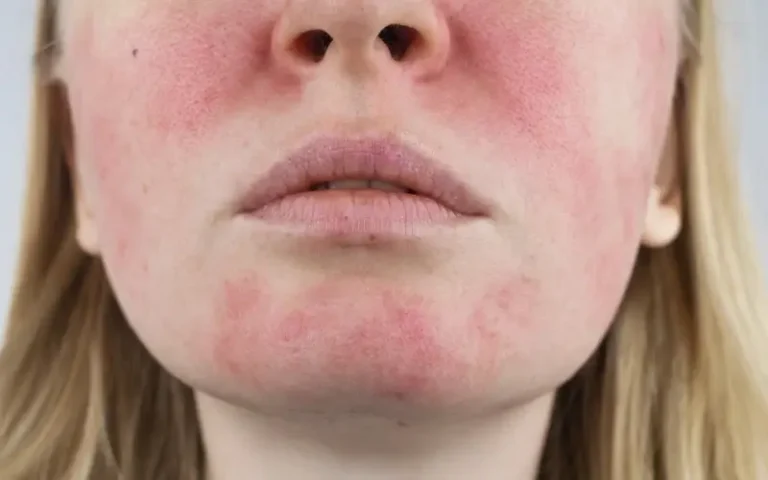
- More visible pigment and broken capillaries
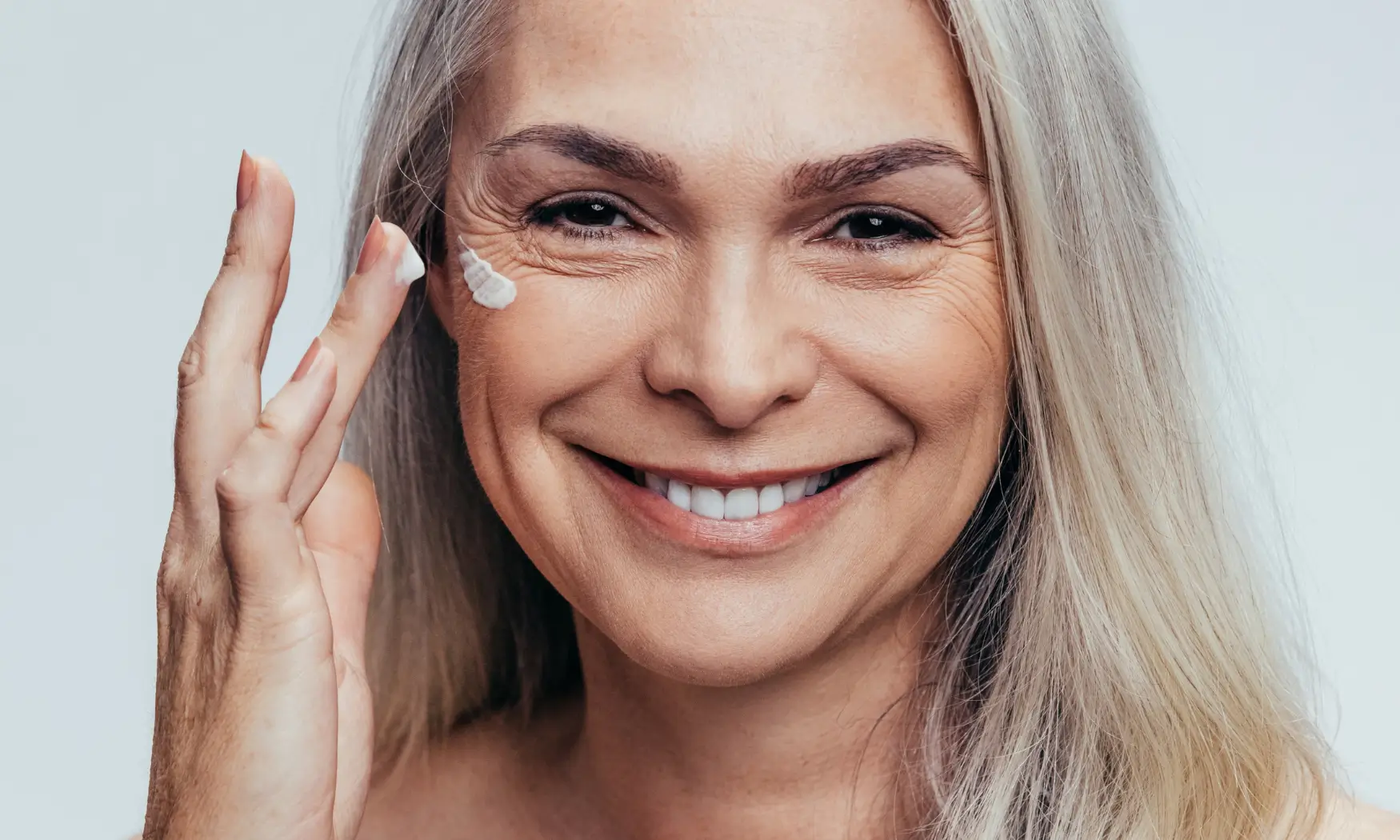
Many women notice their face and neck seem to age “overnight.” This is not vanity. It reflects real structural changes in circulation, barrier function, and connective tissue.
The encouraging news: skin responds well to targeted care. Peptides, growth factors, antioxidants, and barrier-focused routines can significantly improve comfort and appearance — with or without hormone therapy.
(For a deeper dive, see Menopause Skin Changes Explained.)
This Is Physiology — Not Weakness
When a woman says, “I don’t feel like myself,” she is not imagining it.
Her brain chemistry is shifting. Her sleep architecture is changing. Her joints, muscles, metabolism, and skin are adapting to a new hormonal reality.
Weight gain around the middle is not a personal failure. It is a completely normal biological response.
It is important to say clearly:
- She is not lazy
- She is not falling apart
- She is adapting to a rapid hormonal recalibration
If men lost testosterone over a short window, the world would respond differently. Women deserve the same seriousness, respect, and care.
What Support Looks Like From a Partner
If you are a partner, friend, or family member, support matters more than solutions.
Believe her
Her symptoms are real. Start from trust, not skepticism.
Learn with her
Understanding biology changes and how you interpret her experience.
Protect her time and energy
Perimenopause often coincides with peak life stress. Reducing load helps regulate symptoms.
Talk honestly about intimacy
Changes in desire or comfort are physiological, not relational failure. Solutions exist.
Keep showing up
She has not disappeared. She is navigating a major life transition.
Where Pro-aging Skincare Fits In
At Skin Maven, my role is to support the changes that show up in the mirror.
Menopause-aware skincare and treatments can:
- Support collagen and elasticity with peptide and growth factor formulas
- Rebuild hydration and barrier strength
- Calm redness and pigment with antioxidant support and mineral SPF
- Address dryness and sensitivity with barrier-focused facials
If menopause is affecting how your skin feels or looks — or if you simply want guidance that respects this stage of life — virtual skincare coaching or in-studio support can help.
Menopause does not have to be endured in silence. With education, support, and appropriate care, it can become a more grounded and informed season of life.