

Menopause is not a single moment. It is a long hormonal transition that affects nearly every system in the body—brain, sleep, mood, metabolism, bones, heart, and skin.
Most women are never taught what is actually happening. So when their skin suddenly feels unfamiliar, energy drops, sleep unravels, or weight changes, they assume something is wrong with them.
You are not failing. There is nothing “wrong” with you. Your biology is simply changing.
This page is your starting point. It brings together clear education, skin-focused guidance, and realistic support so you can find what you need—without overwhelm, fear-based messaging, or cosmetic hype.
This page is educational only and not medical advice. Diagnosis and hormone treatment decisions should always be made with a licensed, menopause-informed clinician.
A Skin-Focused Perspective on Menopause Care
The modern menopause conversation has been advanced by evidence-based clinicians such as Dr. Mary Claire Haver, whose work has helped bring long-overdue science and clarity to this life stage.
Skin Maven adds a skin and tissue–focused perspective to that broader conversation.
I am not a physician. I am an esthetician and educator who understands how hormonal shifts show up on the skin—and how to support skin health, comfort, and confidence during this transition.
Start Here: Where Are You in the Menopause Journey?
You do not need to read everything. Use the guides below as a map and begin with the stage or topic that feels most relevant right now.
Menopause 101: Big Picture for Everyone
If you want a clear explanation of what menopause actually is, why it affects the whole body, and why it matters to relationships and long-term health, start here.
Perimenopause: The Zone of Chaos
If things feel unpredictable—sleep, mood, cycles, skin, or energy—this guide explains why symptoms often appear before periods stop and how to support yourself during the transition years.
Menopause Skin Changes Explained
A skin-specific deep dive into how declining estrogen affects collagen, hydration, elasticity, redness, acne, and pigment—and how skincare must adapt.
Hormone Therapy (HRT) 101
A non-sensational overview of hormone therapy, what it can and cannot do, and how to have informed conversations with a menopause-trained clinician.
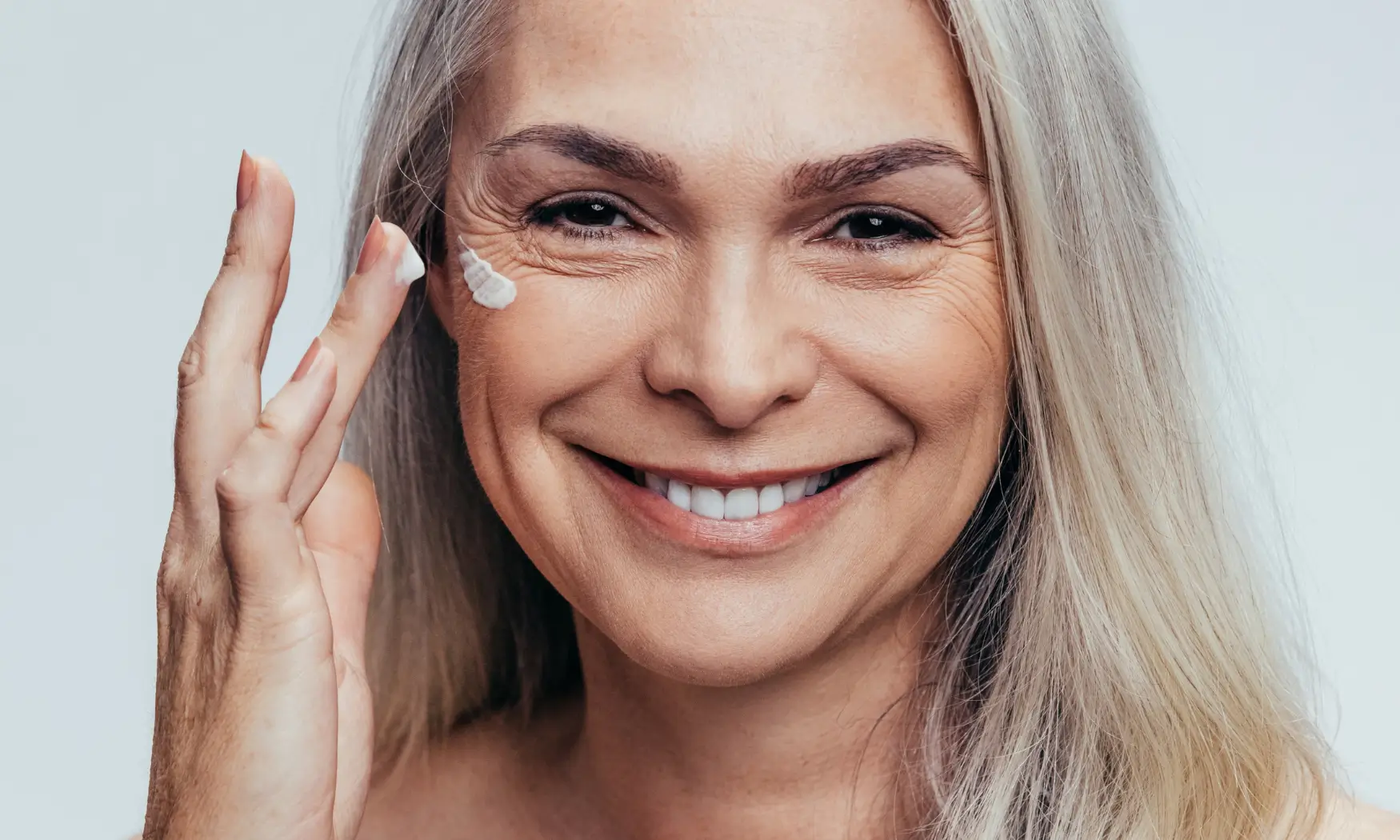
How Menopause Commonly Shows Up on the Skin
Hormonal changes begin internally. The skin responds next.
Common menopause-related skin changes include:
- Drier, tighter skin that still feels uncomfortable
- Loss of firmness and elasticity, especially along the jawline, neck, and eyes
- Crepey texture on the neck, chest, and arms
- Increased redness or flushing
- Dark spots or melasma that flare with heat and sun
- Acne or congestion in perimenopause, followed by sensitivity and dryness later
These shifts are driven by changing estrogen, progesterone, and androgen levels—not poor habits or lack of effort.
The Skin Maven Philosophy: Pro-Aging, Not Anti-Aging, we can’t avoid aging, right?
I do not talk about erasing age. I focus on helping skin feel comfortable, resilient, and familiar again.
The Skin Maven menopause approach:
- Respect the skin barrier first
- Layer hydration instead of overwhelming the skin
- Use peptides, growth factors, and antioxidants thoughtfully
- Choose treatments that support circulation and structure—not trauma
- Match routines to life stage and energy, not birth year
Pro-aging means working with biology honestly, not fighting it.
Skin Maven Services That Support Menopause-Related Skin Changes
Certain treatments are especially well suited to hormonal skin shifts.
In-studio support may include:
- Firming and circulation-supportive facials
- Lymphatic and massage-based treatments
- Microcurrent for subtle lift and contour support
- No-needle infusion treatments to enhance topical delivery without injury
Treatment plans are always adjusted for stress load, sleep quality, recovery capacity, and sensitivity—not just how skin looks on the surface.
Virtual Skin Support During Menopause
Many women are still working to access informed medical menopause care. While that process unfolds, your skin and confidence still deserve support.
Virtual skincare coaching can help you:
- Review skincare, makeup, and hair products for irritant or comedogenic triggers
- Adjust routines for hot flashes, night sweats, and barrier disruption
- Build a realistic, pro-aging routine that fits your energy and budget
- Coordinate skincare with any medical plan already in place
A Simple Framework for Menopause-Friendly Skincare
While every face is different, most menopause routines rely on the same foundations:
- Gentle cleansing
- Layered hydration and barrier support
- Targeted repair with peptides and antioxidants
- Daily mineral sun protection
Your exact routine depends on your skin, stage, and sensitivity—not trends.
When Skincare Is Not Enough
Skincare cannot resolve:
- Severe hot flashes or night sweats, since sweating causes dehydration stay on top of moisturizers
- Persistent depression, anxiety, or rage, taking care of yourself during this time is vital
- Vaginal dryness or pain with sex
- New chest pain, blood pressure changes, or shortness of breath
- Significant cognitive or sleep disruption
These symptoms require care from a menopause-informed clinician. The education linked from this hub can help you prepare for that conversation.
Take the Next Step for Your Skin
You deserve skin support that actually understands what your body is going through. Whether you’re in the middle of perimenopause chaos, adjusting to life post-periods, or just noticing that your skin feels unfamiliar, you’re not alone, and you don’t have to guess your way through these changes.
Choose one step that feels doable:
- Read the article above that matches your current stage
- Book an in-studio facial for hands-on support
- Schedule a complimentary consultation at the studio or a virtual skincare coaching session
- Bring the HRT guide to your next medical appointment
Your hormones are shifting. Your skincare should too. Contact me now to get started!