
Eczema and psoriasis are both chronic skin conditions, but they behave very differently and need different treatment plans.
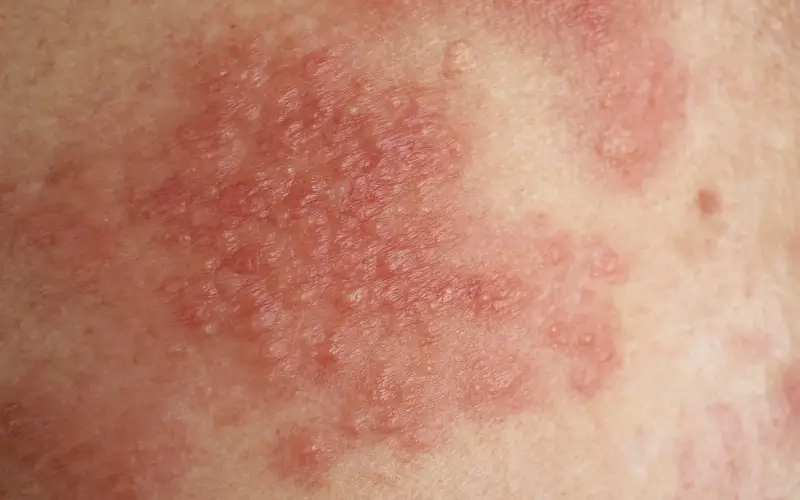
Eczema often shows up as dry, itchy, inflamed skin that can crack or ooze. Psoriasis tends to form thicker, scaly plaques that sit on top of the skin. Neither condition is contagious. Both respond best to a mix of prescription care and smart daily habits rather than random over the counter guesses.
What Is Eczema
“Eczema” is an umbrella term for several related conditions. The most common type is atopic dermatitis.
Typical features include:
- Very itchy, dry, inflamed skin
- Red, brown, or gray patches depending on your skin tone
- Areas that may crack, ooze, or crust
- Skin that feels rough, tight, or scaly
Scratching usually makes the rash worse and can damage the skin barrier, which lets more irritants and germs in.
Eczema tends to come and go in flares. Common areas include:
- Hands
- Inner elbows
- Backs of the knees
- Neck
- Around the eyes
Children often show signs early in life, but adults can develop eczema too. Genetics, immune system differences, and an impaired skin barrier all play a role.
What Is Psoriasis
Psoriasis is an inflammatory disease in which the immune system speeds up skin cell growth. Instead of taking about a month to mature and shed, skin cells in psoriasis can build up on the surface in as little as three or four days.
This creates:
- Thick, raised plaques
- Red, pink, purple, or brown plaques depending on skin tone
- Silvery or white scale on top
Plaques often show up on:
- Elbows and knees
- Scalp and hairline
- Lower back
- Sometimes nails and joints
Psoriasis can itch, burn, or feel sore. It has a strong immune and genetic component and usually needs prescription treatments that calm the immune response, not just moisturizers.
Eczema vs Psoriasis: Key Differences
Only a doctor can make a diagnosis, but there are patterns that can help you understand what might be going on.
Eczema often:
- Feels intensely itchy
- Looks more diffuse, patchy, or dry
- Shows up in skin folds and areas that rub or dry out, like inner elbows, backs of knees, and around the eyes
Psoriasis plaques usually:
- Are thicker and more sharply edged
- Have a built up, scaly surface
- Favor elbows, knees, scalp, and trunk, although they can appear in many other sites
Both conditions can overlap in appearance, especially on the hands, scalp, or face. That is one reason self diagnosing from social media images is unreliable.
Common Triggers for Eczema and Psoriasis
Triggers do not cause eczema and psoriasis by themselves. They “wake up” an underlying tendency.
Common triggers include:
- Dry air and cold weather
- Hot showers and harsh soaps
- Friction from clothing or gear
- Stress and lack of sleep
- Infections, especially certain throat infections for psoriasis
- Some medications
- Smoke, strong fragrances, and cleaning chemicals
Diet And Flares
Diet can play a role for some people, but it is rarely the only factor.
For eczema:
There is a known link between atopic dermatitis and food allergies, especially in children, although food is not the main cause for most people.
For psoriasis:
Some people notice flares with heavy alcohol use, very processed foods, red meat, or weight gain. These appear to act through inflammation and metabolic health rather than a single “bad food.”
The key point is that triggers are very individual. One person may flare with dairy while another does fine with it and reacts to tomatoes or alcohol instead.
Why Prescription Topicals Matter
Eczema and psoriasis both need proper medical treatment when they flare.
For many people this includes prescription topical medications such as:
- Topical steroids
- Non steroid anti inflammatory creams
- Topical calcineurin inhibitors
- Other targeted therapies designed for eczema or psoriasis
These medications help calm inflammation, repair the barrier, and reduce thick, scaly plaques in ways that basic moisturizers cannot.
On the flip side:
- Using the wrong over the counter products
- Constantly switching products
- Overusing strong topical steroids without guidance
can all delay improvement or create new problems. A dermatologist or primary care doctor can match medicine strength and formula to your skin type, age, and body area.
Skin Maven Product Support Between Flares
Home care will not replace prescription treatment, but it supports your skin between visits and helps you feel more comfortable.
Gentle Cleansing
Use a gentle, fragrance free cleanser and lukewarm water.
- Maven Calming Cleansing Gel is a good option for dry, reactive skin because it cleanses without pulling away essential lipids.
- Multi-Vitamin Purifying Face Wash can work for those who tolerate a light foam but still need barrier respect.
Avoid harsh soaps, deodorant bars, and strong surfactants on active patches.
Hydration And Barrier Repair
Moisturizing right after bathing helps lock in water and support the barrier.
- Maven Hydrating Serum adds a layer of water binding hydration and can sit comfortably under heavier creams or ointments your doctor recommends.
- Rapid Repair (Rapid Repair Barrier Serum) helps calm visible dryness and supports the barrier with soothing, barrier friendly ingredients.Moisturizing right after bathing helps lock in water and support the barrier.
You can apply Maven Hydrating Serum first, then Rapid Repair, then your prescribed topical (if directed) and finally a moisturizer.
For moisture:
- Renewal Moisturizer provides comfortable hydration without heavy fragrance, which makes it a good match for sensitive or flaky areas that need daily support.
For very dry body areas, many clients layer these with a simple occlusive like petrolatum or a doctor recommended ointment.
Sun Protection
Some people with eczema or psoriasis are sensitive to certain sunscreens. Mineral formulas tend to be better tolerated and more predictable.
- Skin Evolved Mineral 40 SPF Moisturizer offers mineral based broad spectrum protection with moisturizer support, which can be helpful on exposed areas when you are not in an active flare.
What You Can Do At Home (Beyond Products)
Home support works alongside medical treatment.
Helpful steps include:
- Use lukewarm water and keep baths or showers on the shorter side.
- Moisturize right after bathing to lock in water.
- Avoid harsh scrubs, peeling masks, and strong fragrances on active areas.
- Choose soft fabrics and avoid rough wool next to inflamed skin.
- Keep nails short to limit damage from scratching.
- Use fragrance free laundry detergent and avoid heavy fabric softeners on clothing that touches affected areas.
With diet, it often makes more sense to keep a food and symptom log than to cut big food groups on your own. If you suspect food triggers, talk with your doctor or a dietitian so you can test changes safely and still get the nutrients your skin and body need.
When To See a Doctor
You should contact a doctor or dermatologist if:
- Your rash is spreading, very itchy, or painful
- The skin looks infected with oozing, crust, warmth, or fever
- Over the counter products are not helping after several weeks
- Flares are frequent and affect your sleep, work, or mood
Eczema and psoriasis are common and very treatable with the right plan. Your job at home is to support your skin, learn your triggers, and get medical help instead of fighting chronic flares on your own.
If you are not sure where to start, a Virtual Skincare Coaching session or in studio visit at Skin Maven can help you sort out which parts are skin care, which parts need medical treatment, and how to build a routine that supports what your doctor is prescribing.
Sources
- National Eczema Association – Overviews of eczema types, causes, and triggers.
- National Psoriasis Foundation – Information on psoriasis plaques, immune involvement, and common triggers.
- Eczema.org (National Eczema Society) – Guidance on emollients, topical steroids, and stepped treatment approaches.
- Chu DK et al. “Topical treatments for atopic dermatitis.” Journal of Allergy and Clinical Immunology, 2023.
- Johns Hopkins Medicine and related dermatology sources on diet and psoriasis, including roles of alcohol, processed foods and weight in inflammation and flares.